Doughtry Long: The Poet Laureate Who Shaped a Generation
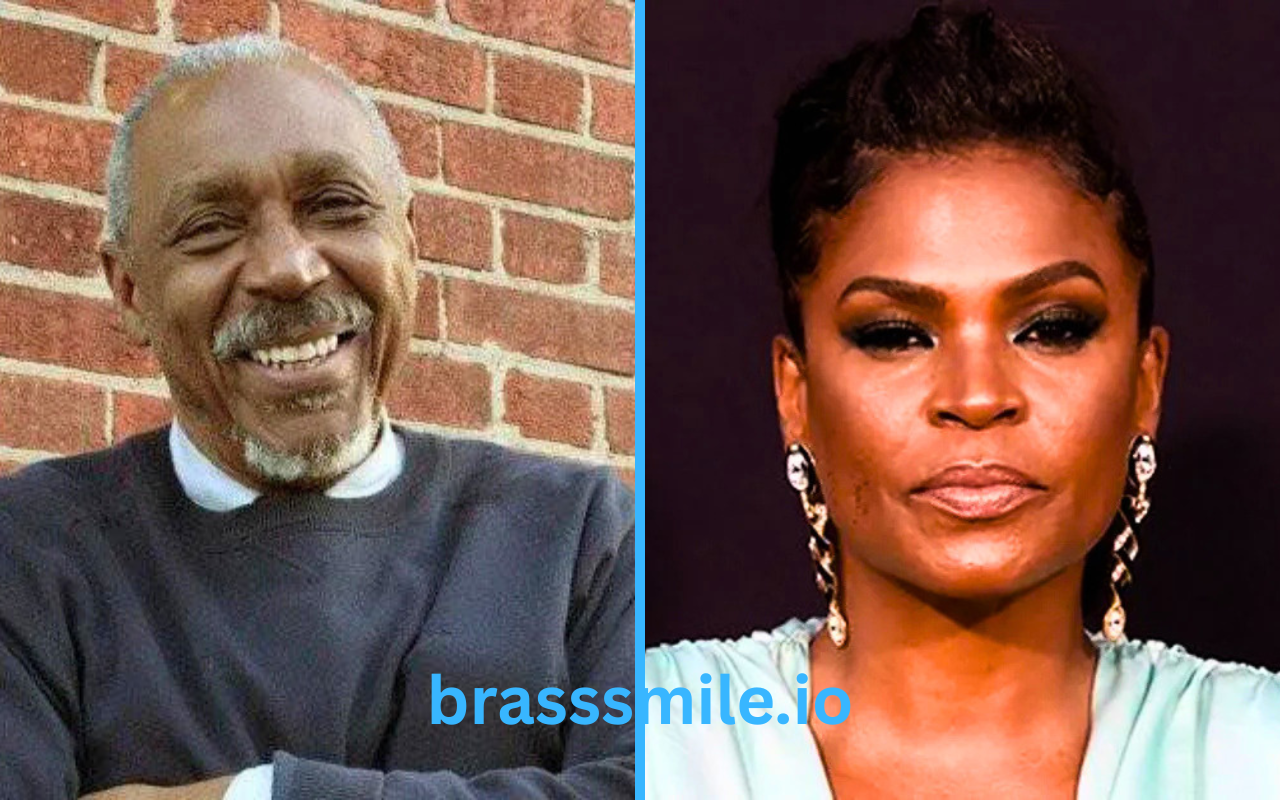
What does it take to become a pillar of a community, a voice for the voiceless, and a master of words? For Doughtry Long, it was a lifelong dedication to education, a passionate commitment to poetry, and an unshakeable belief in the power of the human spirit. Known affectionately as “Doc,” he was more than a teacher; he was a mentor, a poet laureate, and a father to some of Hollywood’s most recognizable talents. His life was a tapestry woven with the threads of the Civil Rights Movement, the Black Arts Movement, and a profound love for his hometown of Trenton, New Jersey. He was a man who could recite poetry with the same passion he brought to teaching literature, a man whose influence echoed far beyond the classroom walls and into the annals of American literary history .
To understand the man, one must appreciate the depth and breadth of his work and his impact. Doughtry “Doc” Long, Jr. was a renaissance man whose legacy continues to resonate. Here is a quick snapshot of the essential facts of his life.
| Quick Facts | Details |
|---|---|
| Full Name | Doughtry Long, Jr. |
| Born | March 14, 1942 |
| Birthplace | Atlanta, Georgia |
| Died | January 27, 2020 |
| Profession | Poet, Educator, Author, Community Activist, Poet Laureate of Trenton |
| Parents | Jessie Wooden and Doughtry Long, Sr. |
| Siblings | A twin (name not publicly specified) |
| Children | Lori Rambough, Nia Long, Djamila McRae (Sommore is a half-sister) |
| Famous For | Black Love, Black Hope; being the father of actress Nia Long; his lifetime of literary and educational contributions |
| Social Media | N/A (he passed before his legacy became a significant focus of social media) |
His story begins not in the halls of Trenton Central High School, but in the vibrant, complex landscape of Atlanta, Georgia. Born on March 14, 1942, he was a twin, entering the world during a time of profound change in America . While he was born in the South, his formative years were spent in the diverse and culturally rich environment of Trenton, New Jersey. This city would become the backdrop for his life’s work and the canvas upon which he painted his legacy.
As a young man, Doughtry Long demonstrated an insatiable hunger for knowledge, a trait that would define his entire life. He pursued higher education with vigor, attending West Virginia State College, where he began to refine his intellectual curiosity. He later earned a Master’s degree in Urban Studies from The College of New Jersey, a testament to his deep interest in the dynamics of city life and community development . This formal education, however, was only one piece of the puzzle. The real shaping of his worldview occurred during the turbulent 1960s.
This was an era of upheaval, hope, and struggle. The Civil Rights Movement was in full swing, and the burgeoning Black Power Movement was giving voice to a new kind of political and cultural consciousness. Doughtry Long was not just an observer of these times; he was an active participant. This period of social revolution profoundly shaped his political activism and social consciousness, instilling in him a belief in the need for a vigilant, tenacious effort to help shape the ideals of democracy and the recognition of one humanity . He carried these convictions with him for the rest of his life, and they became the foundation of his work as an educator and poet.
His career path was a natural extension of his values. He dedicated more than 30 years of his life to education, serving as a teacher of literature and creative writing at his alma mater, Trenton Central High School . He wasn’t just teaching students how to read and write; he was teaching them how to think, how to question, and how to express themselves. He saw the classroom as a space for empowerment. His approach to teaching was legendary among his students, who saw him not as a traditional authority figure but as a mentor and a guide. His commitment to education extended to the most overlooked populations. In a profound act of service, he helped organize the African American Studies Program at Trenton State Prison, believing that access to knowledge and the humanities was a universal right .
His passion for service also led him far from the streets of Trenton. He served as a community development specialist for the Peace Corps in West Africa, where he recruited civic-minded volunteers from Historically Black Colleges and Universities . This experience broadened his perspective on global communities and enriched his understanding of the African diaspora, themes that would often surface in his poetry.
But it was through his written word that Doughtry Long truly left an indelible mark. He was a poet through and through. His poetry was an exploration of Black identity, love, hope, and the complexities of the human condition. During a time when Black voices were being raised in celebration of their culture, Doughtry Long was at the forefront. His work was heavily influenced by the Civil Rights Movement and the Black Power Movement, giving his writings a distinct social and cultural depth that resonated with countless readers .
His celebrated writings are impossible to measure in their influence. He published numerous books, including the seminal Black Love, Black Hope (1971), which delved into the complexities of Black identity, love, and the importance of hope in overcoming adversity . Through this book, Long became a powerful voice for the Black community, advocating for unity and self-love in the face of societal challenges. The themes of Black Love, Black Hope continue to resonate with readers today, demonstrating the timeless relevance of Long’s work . He also authored A Song for Nia, a poetic essay in three parts, dedicated to his daughter; Timbuktu Blues; Rules for Cool; a chapter book titled Zoom Sway; and the children’s book, Book of Numbers, lovingly dedicated to his grandchildren . His work appeared in countless journals and anthologies, including the 50th Anniversary Edition of The Literary Review, Brilliant Corners, Obsidian, The Painted Bride Quarterly, as well as seminal anthologies like The Poetry of Black America, Gathering Ground, and Let Loose On the World .
His talent was recognized far and wide with numerous awards. Among his most notable accolades were the Broadside Press Award for Poetry, a fellowship from the New Jersey State Council of the Arts, and the Governor’s Award for Excellence in Teaching . He was proudly affiliated with The Geraldine R. Dodge Poetry Foundation, The New Jersey Artist Teacher Institute, and Cave Canem, a foundation that serves as a haven and a voice for African American poets . He headed the Phoenix Literary Magazine, a grant-based independent literary project at Trenton Central High, and worked with The Poetry in the Schools program in New York City . A recent tribute from the Passage Theater of Trenton before his death underscored just how beloved a figure he was in his community .
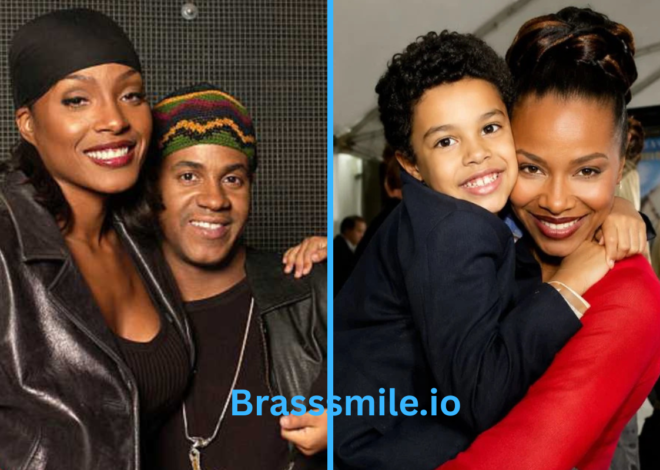
When considering the personal life of Doughtry Long, it’s impossible to separate the man from his legacy. He was a devoted father. He had three daughters: Lori Rambough, Nia Long, and Djamila McRae . (Nia Long is one of Hollywood’s most respected actresses, known for films like Boyz n the Hood, Love Jones, and Soul Food, while Sommore, known as “The Queen of Comedy,” is a half-sister, daughter of Doughtry and his former wife, Talita Long). In interviews, Nia Long has often reflected on her father’s influence, describing him as a renaissance man who loved jazz music, good food, and was a poet, writer, and photographer . She shared that he was so much like Larenz Tate’s character in Love Jones—a poet who was a pillar of his community. She learned more about the depth of his impact on Trenton after his death, when she was surrounded by a community that saw him as a true icon .
His loss was deeply felt. When he passed away on January 27, 2020, at the age of 77, it marked the end of an era . Nia Long’s tribute to him captured the essence of the man: “My father was a master of words, an educator, a mentor and a hero in his community; a poet with stories to tell about the Black experience in America. He wasn’t afraid to raise his fist in solidarity for everything Black and proud” . She called him a “great man” and expressed immense pride in his accomplishments .
Reflecting on his net worth is an interesting exercise. Unlike the wealth accumulated by celebrities or business magnates, Doughtry Long’s fortune was not measured in dollars but in the lives he touched. His “wealth” came from his work—the income from teaching, the royalties from his books and publications, and the speaking engagements he would command. While there is no record of a massive financial estate, his true value lies in his legacy as a “poet laureate,” a beloved educator, and a pillar of the Trenton community. In a world that often equates success with material gain, Doughtry Long’s life is a powerful reminder that a person’s worth is ultimately found in their contributions to society. His is a story of cultural and literary capital, the kind that enriches a community for generations to come.
In the digital age, Doughtry Long did not have a public social media presence; his legacy is a testament to a time when words were shared in the pages of books and spoken in classrooms and poetry readings. He was known for bringing a jazz band to accompany his readings, making each performance an immersive experience . In his later years, he continued to be a vital part of the Trenton arts scene, creating and sharing new work through independent platforms and small press publications.
For a man in his late 70s, he remained incredibly active and intellectually engaged until his health declined. He continued to write and publish, and his presence at local events was always met with great respect and admiration. His legacy is currently being kept alive by his daughters, particularly Nia Long, who speaks about him often, and through the various literary works he left behind. The institutions he was involved with, like Cave Canem and the Dodge Poetry Foundation, also ensure his contributions to literature are not forgotten.
As Doughtry Long continues to pave the way for future generations, his story stands as a reminder of how resilience and purpose can shape a meaningful legacy. He was a man who saw the world for what it was and still chose to see its potential for beauty, justice, and love. Through his words, his teachings, and the lives of his family, his spirit will forever be a wellspring of hope for the Black experience in America.
Table of Contents
ToggleRead this to: Caleb James Goddard: The Hollywood Son Who Chose a Life of Quiet Purpose
Frequently Asked Questions (FAQs) About Doughtry Long
1. Who is Doughtry Long?
Doughtry Long, known affectionately as “Doc,” was a renowned poet, educator, and community activist. He was a beloved teacher of literature and creative writing at Trenton Central High School in New Jersey for over 30 years. He also served as a Poet Laureate of Trenton and authored several influential books of poetry and literary works focused on the Black American experience .
2. What is Doughtry Long’s connection to actress Nia Long?
Doughtry Long is the father of acclaimed actress Nia Long. He also fathered Lori Rambough and Djamila McRae; comedian Sommore is his daughter from a previous relationship. Nia Long has frequently spoken about her father’s profound influence on her life and her pride in his legacy as a poet and educator .
3. What are Doughtry Long’s most famous works?
Some of his most celebrated works include the poetry collection Black Love, Black Hope (1971), A Song for Nia, Timbuktu Blues, and Rules for Cool. He also wrote a children’s book titled Book of Numbers and a chapter book called Zoom Sway .
4. What was Doughtry Long’s impact on the Trenton, New Jersey community?
Beyond being a teacher, Doughtry Long was a pillar of the Trenton community. He served as the Poet Laureate of Trenton, mentored countless young writers, organized the African American Studies Program at Trenton State Prison, and was a frequent presence at local arts events .
5. When did Doughtry Long pass away?
Doughtry “Doc” Long passed away on January 27, 2020, at the age of 77 .
6. What honors and awards did Doughtry Long receive during his lifetime?
He received numerous accolades, including the Broadside Press Award for Poetry, a fellowship from the New Jersey State Council of the Arts, the Governor’s Award for Excellence in Teaching, and a tribute from the Passage Theater of Trenton .
7. Did Doughtry Long work in the Peace Corps?
Yes, he served as a community development specialist for the Peace Corps in West Africa, where he helped recruit volunteers from Historically Black Colleges and Universities .