Columbia Southern University: Is It the Right Choice for Your Future?
Introduction
You’ve been thinking about going back to school. Maybe work has felt stagnant. Maybe you want a promotion or a complete career change. But between your job, family, and daily life, a traditional campus just isn’t possible. That’s where online education enters the picture. And one name you keep seeing is Columbia Southern University. It pops up in search results. Friends mention it. Ads follow you around social media. So what’s the real story?
In this article, we’ll walk through everything you need to know about Columbia Southern University. You’ll learn about its accreditation, program offerings, costs, reputation, and student support. We’ll also look at common complaints and praise from real learners. By the end, you’ll know whether this university fits your goals. No jargon. No sales pitch. Just honest, helpful information.
What Exactly Is Columbia Southern University?
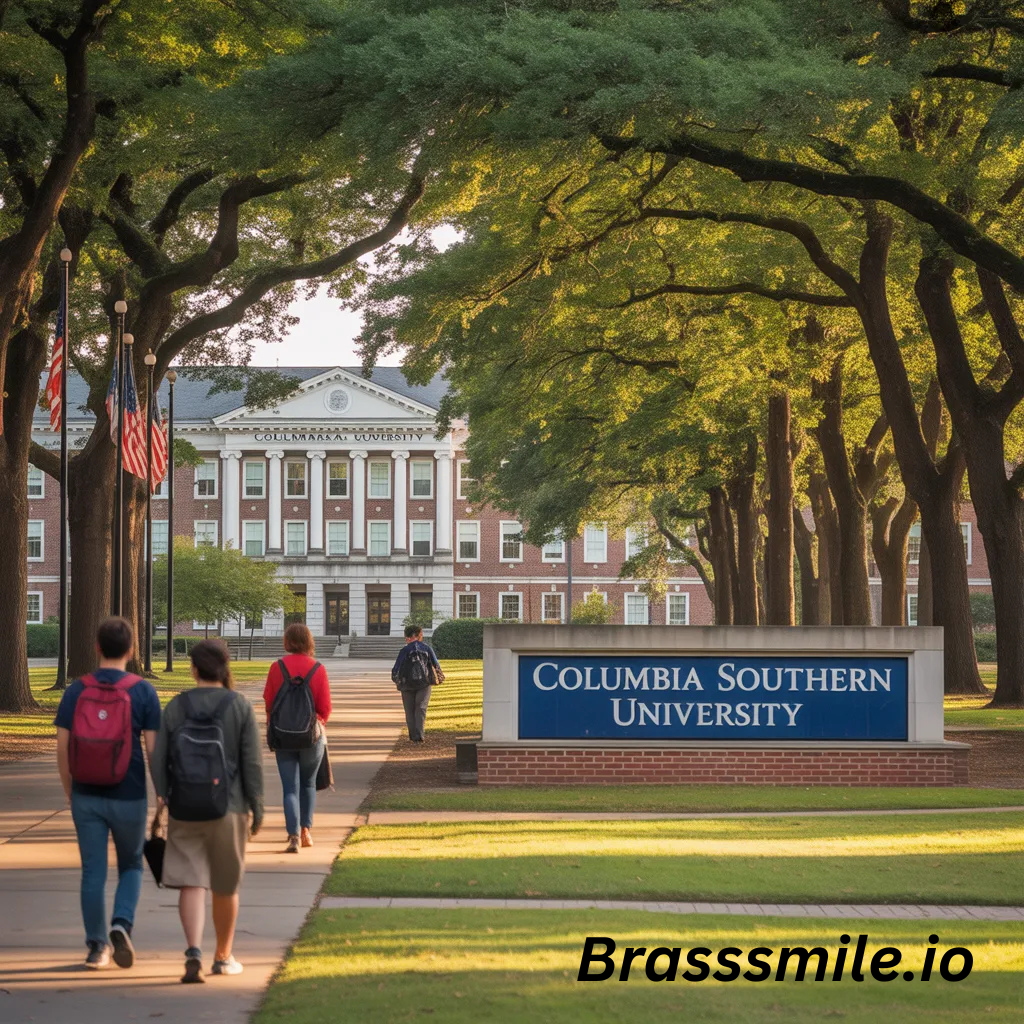
Columbia Southern University, often called CSU, is a private online university based in Orange Beach, Alabama. It was founded in 1993. That makes it one of the older players in the online education space. The university focuses on working adults. Most students are balancing jobs, military service, or family responsibilities.
CSU offers associate, bachelor’s, master’s, and doctoral degrees. The main areas of study include occupational safety, health, business, criminal justice, and emergency services. You won’t find liberal arts majors like philosophy or art history here. Instead, the curriculum leans heavily into practical, career focused fields.
One thing you’ll notice right away: Columbia Southern University markets itself as affordable and flexible. Classes are asynchronous. That means you log in whenever it suits you. There are no set class times. This is a huge plus for shift workers, parents, or deployed military personnel.
Who Typically Enrolls at CSU?
The typical CSU student is not an 18 year old fresh out of high school. Instead, you’ll find:
-
Firefighters and police officers looking for promotion
-
Safety managers needing a degree to advance
-
Military members using tuition assistance
-
Corporate employees seeking a bachelor’s or master’s online
-
Career changers who need a degree fast and affordably
If this sounds like you, keep reading. If you’re looking for a traditional college experience with dorms and football games, CSU is not that.
Accreditation: The Make or Break Factor
Here’s the most important part of any university review. Accreditation. Without proper accreditation, your degree might be worthless to employers and other schools.
Columbia Southern University is accredited by the Distance Education Accrediting Commission (DEAC). The DEAC is recognized by the U.S. Department of Education and the Council for Higher Education Accreditation (CHEA). That means CSU meets national standards for quality.
But there’s a catch. CSU does not have regional accreditation. In the United States, regional accreditation is generally considered the gold standard. Most traditional public and private universities hold regional accreditation. Nationally accredited schools like CSU sometimes face challenges when you try to transfer credits to a regionally accredited school.
What Does This Mean for You?
Let’s break it down simply:
-
Employers: Many employers accept DEAC accredited degrees. Large corporations, government agencies, and military branches have hired CSU graduates. However, a small number of employers prefer regionally accredited degrees. Always check with your HR department before enrolling.
-
Graduate school: If you plan to earn a master’s degree later at a different university, be careful. Some regionally accredited schools do not accept bachelor’s degrees from nationally accredited institutions. Others do, especially if you have work experience. You must ask each prospective graduate school directly.
-
Licensing and certifications: Some professional licenses require regional accreditation. For example, certain teaching or engineering licenses. But for safety, criminal justice, and business fields, CSU’s accreditation is usually fine.
I’ve spoken with students who earned CSU degrees and later got into regionally accredited master’s programs. It’s possible but not guaranteed. So if you dream of a PhD from a state university, CSU might create extra hurdles.
Programs Offered at Columbia Southern University
Let’s get specific. What can you actually study at CSU? The university organizes its offerings into four main colleges:
College of Health and Safety
This is CSU’s flagship area. The occupational safety and health programs are well respected in industries like construction, manufacturing, and oil and gas. You can earn:
-
Associate of Science in Occupational Safety and Health
-
Bachelor of Science in Occupational Safety and Health
-
Master of Science in Occupational Safety and Health
-
Doctor of Science in Occupational Safety and Health
Many safety professionals choose CSU because the curriculum aligns with certifications like the Certified Safety Professional (CSP) and Associate Safety Professional (ASP).
College of Business
Business programs at CSU focus on practical skills. No heavy theory. You’ll find:
-
Bachelor of Science in Business Administration (concentrations in management, marketing, finance, and more)
-
Master of Business Administration (MBA)
-
Doctor of Business Administration
The MBA is popular among working professionals. It’s entirely online and self paced.
College of Criminal Justice
If you’re in law enforcement, corrections, or security, this college might interest you. Degrees include:
-
Bachelor of Science in Criminal Justice
-
Master of Science in Criminal Justice Administration
-
Bachelor’s in Emergency Services Management
College of General Studies
This is for students who want a broader education. You can earn an Associate of Science in General Studies or a Bachelor’s in General Studies. It’s a flexible option if you aren’t sure about your major yet.
One thing I noticed: Columbia Southern University does not offer nursing, engineering, or computer science degrees. If those are your goals, look elsewhere.
Tuition and Fees: Is It Really Affordable?
Money matters. You don’t want to graduate with crushing debt. So let’s talk dollars.
As of 2025, undergraduate tuition at CSU is approximately $395 per credit hour. Graduate tuition is around $495 per credit hour. Compare that to many private universities charging $1,000+ per credit. CSU looks cheap. But compare it to in state public online programs, and the gap narrows.
Here’s a quick example. A bachelor’s degree at CSU requires 120 credit hours. That’s roughly $47,400 in tuition alone. Add fees, and you’re closer to $50,000. That’s not pocket change. However, CSU offers several ways to save:
-
Military discount: Active duty, reserve, and veteran students pay reduced rates. Undergraduate tuition drops to $295 per credit hour.
-
Firefighter and law enforcement discount: First responders also get reduced rates.
-
Corporate partnerships: Many employers partner with CSU to offer tuition reimbursement or discounts. Ask your HR department.
-
Payment plans: You can break tuition into monthly payments. No interest.
-
Transfer credits: CSU accepts up to 75% of a degree from other accredited schools. This can slash your costs dramatically.
I’ve seen students transfer in credits from community colleges and finish a bachelor’s for under $20,000. That’s a solid deal. But if you start from scratch, expect to pay more.
Hidden Costs to Watch For
Every university has extra fees. CSU is no different. You’ll likely pay:
-
Application fee (around $50, sometimes waived)
-
Graduation fee
-
Technology fee per course
-
Textbook costs (digital books are often included, but not always)
Before enrolling, ask for a full cost breakdown. Don’t rely on advertised tuition alone.
The Student Experience: What Real Learners Say
Let’s get personal. I’ve combed through hundreds of student reviews on Reddit, Trustpilot, and other forums. Here’s the honest truth. People either love CSU or feel neutral. Very few hate it. But there are consistent pros and cons.
The Good Stuff
Students frequently praise Columbia Southern University for:
-
Flexibility. You can finish coursework at 2 AM in your pajamas. No synchronous classes. No required logins.
-
Responsive instructors. Most professors work in the fields they teach. They answer emails quickly. They offer real world advice.
-
Military friendly. CSU ranks consistently as a top military friendly school. The staff understands deployment, PCS moves, and tuition assistance.
-
Self pacing. Many courses allow you to work ahead. If you’re motivated, you can finish a bachelor’s in three years or less.
-
No group projects. This is a big one for introverts. Most courses rely on individual assignments, discussion boards, and exams.
One student wrote: “I finished my safety degree while working 60 hour weeks. Columbia Southern University made it possible. I’d never have done that at a state school.”
The Complaints
No university is perfect. Here’s what frustrates some CSU students:
-
Limited interaction. If you thrive on live discussions or in person networking, CSU feels lonely. You’ll rarely see a professor’s face.
-
Reputation concerns. Some employers still look down on nationally accredited degrees. This is less common today, but it happens.
-
Transfer credit issues. Several students reported difficulty moving CSU credits to regionally accredited schools. Plan your educational path carefully.
-
Basic technology. The learning platform works, but it’s not fancy. Don’t expect VR classrooms or cutting edge apps.
-
No financial aid for some. CSU participates in federal financial aid (Pell Grants, student loans). However, some state grants exclude nationally accredited schools. Check with your state.
One student complained: “I didn’t realize regional vs national accreditation mattered until I tried to get into a state university’s master’s program. They rejected all my CSU credits. That hurt.”
That last point is critical. If you ever plan to transfer, get written confirmation from the receiving school before you enroll at CSU.
How Columbia Southern University Compares to Competitors
You have options. Many options. So how does CSU stack up against similar online universities?
CSU vs University of Phoenix
University of Phoenix is regionally accredited. That’s a major advantage. But Phoenix is often more expensive. It also has a mixed reputation due to past lawsuits and aggressive recruiting. CSU feels smaller and less corporate. Many students say CSU’s customer service is better.
CSU vs Western Governors University (WGU)
WGU is regionally accredited and offers competency based learning. You can finish faster if you already know the material. CSU is more traditional. You complete assignments on a set schedule (weekly modules). WGU is cheaper for fast learners. CSU is more predictable for steady paced students.
CSU vs Liberty University
Liberty is regionally accredited and much larger. It also has a strong Christian identity. CSU is secular. Liberty offers more programs, including nursing and engineering. But Liberty has faced controversies regarding politics and finances. CSU stays out of the news. For many students, that neutrality is appealing.
My personal take: If regional accreditation is non negotiable for your career, skip CSU. Choose WGU or Liberty instead. But if you value simplicity, military support, and a straightforward online experience, CSU is worth a close look.
Job Outcomes and Employer Recognition
You want a degree that pays off. So let’s talk jobs.
Columbia Southern University publishes an annual outcomes report. According to their data, over 80% of graduates are employed within one year of graduation. Common employers include:
-
Walmart
-
Amazon
-
U.S. Department of Defense
-
Various police and fire departments
-
Safety consulting firms
Salaries vary widely. An occupational safety graduate might earn $60,000 to $90,000 starting. A criminal justice graduate might earn $45,000 to $70,000. MBA graduates often see salaries from $70,000 to $110,000.
But here’s an honest warning. Your degree alone won’t land a high salary. Employers care about experience, certifications, and interview skills. CSU gives you the credential. You still need to bring the hustle.
I’ve seen CSU graduates thrive. One became a safety director at a chemical plant. Another started a security consulting business. But I’ve also seen graduates struggle because they expected the degree to do all the work. No university can promise you a job. CSU is no exception.
Common Questions About Columbia Southern University
Let’s answer the questions you’re probably thinking right now.
Is Columbia Southern University a diploma mill?
No. A diploma mill sells degrees for cash with no academic work. CSU requires real coursework, exams, and assignments. It has legitimate accreditation. It’s not a scam.
Can I get a job with a Columbia Southern University degree?
Yes. Many employers accept CSU degrees. However, some government jobs and traditional corporations prefer regional accreditation. Research your specific industry before enrolling.
Is Columbia Southern University good for military students?
Absolutely. CSU is consistently named a top military friendly school. They understand tuition assistance, the GI Bill, and deployment challenges. Many military members recommend it.
How long does it take to graduate?
A bachelor’s degree typically takes four years at full time pace. But you can go slower or faster. CSU allows up to ten years to complete a degree.
Does Columbia Southern University have a physical campus?
Yes, but it’s small. The main campus is in Orange Beach, Alabama. However, almost all students study entirely online. You never need to visit campus.
What is the dropout rate?
CSU does not publicly release dropout rates. But like many online universities, retention is a challenge. Some students underestimate self discipline. Others face life interruptions. Be honest with yourself about your ability to stay motivated.
Can I transfer credits from CSU to another school?
Possibly, but it’s not guaranteed. Regionally accredited schools may reject CSU credits. Always ask the receiving school in writing before you transfer.
Tips for Success at Columbia Southern University
If you decide to enroll, set yourself up for success. Here’s what works:
-
Create a schedule. Treat school like a job. Block out 10-15 hours per week for coursework.
-
Use the library. CSU’s online library has databases, journals, and research help. Don’t rely only on Google.
-
Talk to an advisor every semester. Advisors help you pick the right courses and avoid delays.
-
Join student groups. CSU has virtual clubs for safety professionals, veterans, business students, and more. Networking matters.
-
Apply for scholarships. CSU offers several internal scholarships. The deadlines are real. Don’t miss them.
I’ve mentored a few CSU students over the years. The ones who succeed are organized and proactive. The ones who struggle expect everything to be easy. Online learning is flexible, but it’s not effortless.
Conclusion: Should You Choose Columbia Southern University?
Let’s bring it all together.
Columbia Southern University is a legitimate, accredited online school. It works best for working adults, military members, and first responders. The safety and business programs are strong. The flexibility is excellent. The costs are reasonable compared to many private schools.
However, the lack of regional accreditation is a real limitation. If you ever plan to transfer to a state university or pursue a graduate degree at a traditional school, think twice. If you need a license that requires regional accreditation, look elsewhere. And if you value live interaction and campus life, CSU will feel isolating.
For many people, though, the pros outweigh the cons. You can earn a degree on your own time. You can keep working full time. You can graduate without massive debt. That’s a powerful combination.
So here’s my question for you: What matters most in your education? Speed? Cost? Prestige? Flexibility? Write down your top three priorities. Then see if Columbia Southern University checks those boxes.
If you’ve attended CSU or are considering it, share your thoughts below. Your experience could help someone else make this big decision.
Frequently Asked Questions
1. Is Columbia Southern University regionally accredited?
No. CSU is nationally accredited by the DEAC. It is not regionally accredited. This affects credit transfers and some employer preferences.
2. Can I use federal financial aid at Columbia Southern University?
Yes. CSU participates in federal student aid programs, including Pell Grants and Direct Loans. Fill out the FAFSA to apply.
3. Does Columbia Southern University accept military tuition assistance?
Yes. CSU is a proud participant in military tuition assistance programs. They also accept the GI Bill and offer a military tuition discount.
4. How do employers view a degree from Columbia Southern University?
It varies. Many employers accept DEAC accreditation. However, some government jobs and traditional corporations require regional accreditation. Always check with your target employer.
5. Can I transfer my CSU credits to another university?
Maybe. Regionally accredited schools may reject them. Nationally accredited schools are more likely to accept them. Ask the receiving school before you transfer.
6. What is the graduation rate at Columbia Southern University?
CSU does not publicly release graduation rates. Many online universities have lower rates due to student work and life demands. Your success depends on your commitment.
7. Does Columbia Southern University have sports or campus housing?
No. CSU is primarily an online university. There are no athletic teams or dormitories.
8. Is Columbia Southern University legitimate or a scam?
It is legitimate. CSU holds recognized accreditation and has operated since 1993. It is not a diploma mill.
9. How long does it take to get a bachelor’s degree from CSU?
Typically four years of full time study. But you can take longer. CSU allows up to ten years to complete a degree.
10. What is the most popular major at Columbia Southern University?
Occupational safety and health is the most popular and well known major. Business administration and criminal justice are also common choices.