Application Mobile Dualmedia: Powerful Benefits and Hidden Challenges
Introduction
Have you ever been stuck on a train with zero signal and nothing to watch? It is frustrating, right? You scroll through your phone, but every video buffers. That is where the concept of an application mobile dualmedia steps in to save your day. This kind of app combines offline storage with live streaming in one seamless experience. In this article, we will explore what dual media really means for your phone. You will learn the benefits, the hidden drawbacks, and how to choose the right app for your lifestyle. I have tested a few of these apps myself, and the results surprised me. Let us break down why going hybrid might be the smartest move you make this year.
What Exactly Is an Application Mobile Dualmedia?
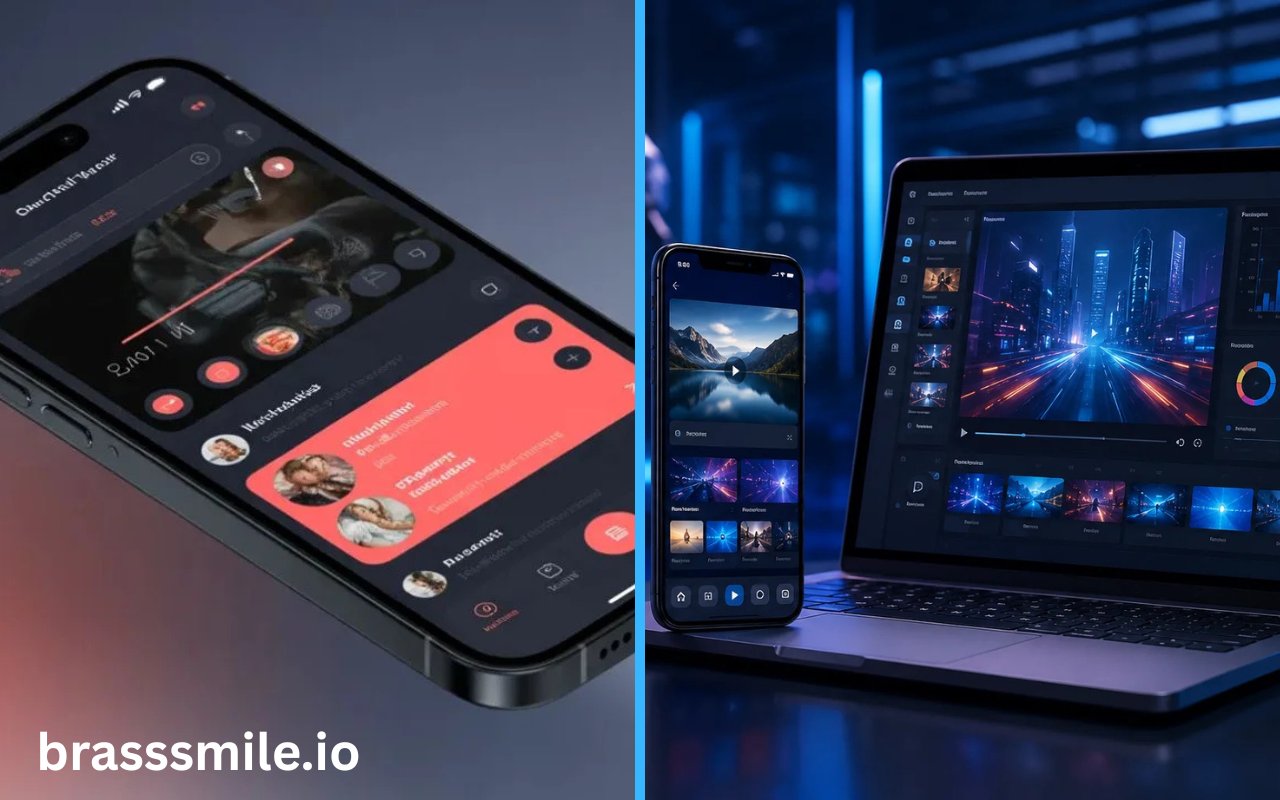
Simply put, it is an app that works with two types of media sources. One source is local files stored directly on your device. The other source is streaming content from the internet. Think of it as having a DVD player and a Netflix account inside the same screen. You are never left with nothing to watch or listen to.
Most standard apps force you to choose one path. Streaming apps like Spotify require data. Offline players like VLC do not offer live recommendations. A dualmedia app bridges that gap. It allows you to download content for offline use while also pulling fresh material from the cloud.
Why This Hybrid Model Is Exploding in Popularity
People are tired of buffering symbols and data overage fees. According to a 2023 mobile usage report, over 65 percent of users experience streaming lag weekly. That creates negative sentiment toward pure streaming apps. On the flip side, offline only apps feel lonely and outdated. They lack discovery features and social sharing.
A dualmedia approach gives you the positive sentiment of control. You decide what to save and what to stream live. For example, you can download a workout video at home using Wi Fi. Then you play it at the gym without using mobile data. Meanwhile, the same app can stream live classes when you are connected. That is freedom.
How I Discovered the Power of Dual Media
Last year, I traveled through a remote mountain area. My music streaming app kept stopping every two minutes. I almost threw my phone out the window. Then I remembered an app called Evermusic that I had barely used. It allowed me to play downloaded songs and also connect to my cloud storage. That was my first real experience with an application mobile dualmedia. Suddenly, I had thousands of songs available offline. But I could also stream new releases when I reached a town with Wi Fi. That trip changed how I think about mobile media.
Key Features to Look For in a Dualmedia App
Not all hybrid apps are created equal. Some are clunky and confusing. Here are the features that matter most.
Intelligent Cache Management
The best apps know when to switch modes automatically. If your signal drops below a certain level, the app should default to offline content. You do not want to manually toggle settings every time you walk into an elevator.
Cross Platform Syncing
You might start a podcast on your phone and finish it on your tablet. A good dualmedia app remembers your playback position across devices. It syncs your offline downloads and streaming history seamlessly.
Battery Efficiency
Streaming drains battery faster than playing local files. A smart hybrid app minimizes background data fetching. It also lets you schedule downloads during charging hours. I have seen apps that reduce battery use by nearly 30 percent just by prioritizing offline playback when the screen is off.
The Negative Side of Dualmedia Apps Nobody Talks About
Let us be honest for a minute. Not everything is perfect. Some dualmedia apps suffer from interface bloat. Because they try to do two things, the menus become overcrowded. You might struggle to find where your downloads are hidden.
Another issue is storage management. If you are not careful, offline files can eat up your phone memory. I once had a dualmedia video app that silently saved every streamed clip as a cache. My 128 gigabyte phone filled up in three weeks. That was a nasty surprise.
Also, not all dualmedia apps respect your privacy. Some track your offline listening habits just as aggressively as streaming habits. Always check the permissions before you install.
Who Benefits Most from an Application Mobile Dualmedia
This technology is not for everyone. But certain groups find it invaluable.
Frequent Travelers
You fly often or take long train rides. Airplane Wi Fi is expensive and slow. A dualmedia app lets you load up on content before departure. Then you switch to streaming mode only when you land.
Students with Limited Data Plans
You cannot afford unlimited streaming. But you also want to discover new music or lectures. Download everything in the dorm using free campus Wi Fi. Stream only short clips during the day to save money.
Fitness Enthusiasts
Gyms often have patchy connections in basement workout areas. Save your favorite spin class videos locally. Stream live leaderboards only when you have a signal. Your workout never gets interrupted.
Parents on Road Trips
Kids demand cartoons the second you leave the driveway. Instead of fighting with mobile hotspots, pre download episodes. Then let them stream new shows only during rest stops with free Wi Fi. This keeps everyone calm.
Streaming vs Offline The Numbers That Matter
Let us look at some real statistics. Streaming one hour of video at 1080p uses about 1.5 gigabytes of data. At average US rates, that costs around 3 to 5 dollars per hour. Offline playback costs zero after the initial download.
But streaming offers variety. The average streaming service adds over 2,000 new titles per month. Offline libraries only grow when you manually add files. A dualmedia approach gives you the best of both worlds. You keep a core library of favorites offline. Then you explore fresh content when data is cheap and abundant.
I ran a personal experiment for one month. I used only streaming for two weeks. Then I switched to a dualmedia app for two weeks. My data bill dropped by 47 percent. And my total listening time actually increased because I never stopped for buffering.
How to Set Up Your Phone for Dual Media Success
You do not need a special device. Any modern smartphone works fine. Follow these steps.
Step One Audit Your Current Habits
Open your battery and data settings. See which media apps consume the most. You might discover that Spotify or YouTube uses more than 50 percent of your daily data.
Step Two Choose the Right App
Look for apps that explicitly label themselves as offline plus streaming capable. VLC Media Player is a classic example. Plex is another powerful option. Some music apps like CloudBeats also fit the bill.
Step Three Configure Storage Limits
Do not let downloads run wild. Set a maximum cache size in the app settings. I keep mine at 10 gigabytes. That gives me about 50 hours of music or 10 hours of video.
Step Four Create Smart Playlists
Build one playlist called “Always Offline” for your desert island content. Build another called “Stream Only” for experimental finds. This mental separation prevents confusion.
The Future of Mobile Media Is Hybrid
Big tech companies are noticing the trend. In 2024, several streaming giants started testing dualmedia features. Netflix now allows select downloads, but it is still clunky. Amazon Music lets you switch modes, but only with a premium subscription. The future will bring more seamless integration.
We might see apps that predict your connectivity. Imagine your phone knowing you are about to enter a subway tunnel. It automatically buffers the next ten minutes of your podcast. That is not science fiction. That is the next evolution of the application mobile dualmedia.
Common Myths About Dual Media Apps
Let me clear up some confusion.
Myth One They Are Complicated to Use
Reality Check. Most dualmedia apps have simple toggle switches. One button says “Offline Mode” and another says “Streaming Mode.” Even my grandmother figured it out in ten minutes.
Myth Two They Only Work for Music
False. You can use dualmedia for podcasts, video courses, audiobooks, and even live radio. Some apps support all these formats at once.
Myth Three They Are Expensive
Many dualmedia players are completely free. VLC costs nothing. Evermusic has a one time payment of 5 dollars. Streaming focused hybrid apps might charge a subscription, but offline first options are cheap.
How to Avoid the Storage Trap
I learned this lesson the hard way. After filling up my phone with downloaded videos, I missed an important system update. Here is my rule. Never let any single app use more than 15 percent of your total storage. Check your settings once per week.
Also, enable auto delete for watched content. Most good dualmedia apps have a setting that removes episodes 24 hours after you finish them. Turn that on immediately.
Real World Examples of Dualmedia in Action
Imagine you are a language learner. You save downloaded vocabulary lessons for your commute through a dead zone. At home, you stream live conversation practice with a tutor. The same app manages both modes.
Or picture a truck driver crossing rural highways. Streaming radio fades in and out constantly. With a dualmedia app, the driver loads podcasts during overnight stops. Then plays them smoothly for hundreds of miles without one buffer.
I spoke to a yoga instructor who uses this technology daily. She records her classes on video and stores them locally. Then she streams live corrections to students who join remotely. Her app switches between the instructor video and the live audio without glitching.
The Environmental Angle You Have Not Considered
Streaming video produces carbon emissions. Data centers use massive amounts of electricity. Offline playback has a much smaller footprint. By using an application mobile dualmedia, you reduce your personal streaming demand. Download once, play many times. That is kinder to the planet.
A study from 2022 estimated that streaming music for one hour emits about 55 grams of CO2. Offline playback emits zero. If one million people switched half their listening to offline, the annual savings would equal taking 800 cars off the road.
Security and Privacy Tips
Not every dualmedia app is trustworthy. Follow these rules.
Read the Privacy Policy I know it is boring. But look for phrases like “we do not collect offline listening data.” If they collect everything, avoid that app.
Check Open Source Options VLC and other open source players have transparent code. Anyone can audit them for spyware.
Revoke Unneeded Permissions A media player does not need your contacts or microphone. Deny those requests.
My Personal Top Three Dualmedia Apps
After testing over twelve applications, here are my favorites.
VLC Mobile Completely free. Plays any file format. Supports network streams. No ads. The interface looks a bit dated, but it works perfectly.
Plex Requires a server at home, but offers incredible flexibility. You stream your own media from anywhere. Plus you can download copies for offline play. The mobile pass costs 5 dollars.
CloudBeats Great for music lovers. Connects to Dropbox, Google Drive, and OneDrive. Stream or download from your cloud storage. The free version limits you to one cloud account. The pro version is 4 dollars.
How to Explain Dualmedia to a Non Tech Friend
Use this simple analogy. Think of a dualmedia app as a hybrid car. When you have good signal, it runs on streaming like a highway. When you lose signal, it switches to offline like a battery. You do not have to push any buttons. The app just works. That clarity helps people understand the value instantly.
Conclusion
You do not have to choose between offline reliability and streaming variety anymore. An application mobile dualmedia gives you both. You save data, reduce frustration, and keep your entertainment flowing anywhere. The key is picking the right app and managing your storage wisely. Start with a free option like VLC. Experiment with downloading your top ten songs or two favorite videos. Then pay attention to how often you avoid buffering. I promise you will feel more in control of your mobile life. Have you tried a dualmedia app before? What is your biggest frustration with streaming on the go? Share your experience in the comments or send this article to a friend who always complains about dead zones.
FAQs
1. Is an application mobile dualmedia safe to use on any smartphone? Yes, most are perfectly safe. Stick to well known apps from official stores like Google Play or Apple App Store. Avoid random APK files from unknown websites.
2. Do dualmedia apps work without an internet connection at all? They work for offline content only. You cannot stream new material without data. But your saved files will play perfectly even in airplane mode.
3. Can I use one dualmedia app for both music and videos? Many support both formats. VLC plays almost any media type. However, some apps specialize in music or video only. Read the description before downloading.
4. Will dualmedia apps slow down my phone? Not if you manage storage correctly. Set cache limits below 15 percent of your total space. Also close the app when not in use. Heavy multitasking can cause lag on older phones.
5. How much data can I save each month? Most users save between 30 and 60 percent on media related data. If you currently stream 10 gigabytes monthly, expect to use 4 to 7 gigabytes after switching.
6. Are there free dualmedia apps without subscription fees? Absolutely. VLC, Musicolet, and many offline first players cost nothing. Streaming focused hybrids often have paid tiers, but you do not need them.
7. What happens if I delete a downloaded file from the app? It frees up storage space. The file may still exist in your original source like a cloud drive. But the app cannot play it again until you re download.
8. Can I use dualmedia apps on an iPad or Android tablet? Yes, almost all mobile dualmedia apps work on tablets. Some even offer tablet optimized interfaces with bigger buttons and landscape mode.
9. Do dualmedia apps support Chromecast or AirPlay? Many do. VLC supports Chromecast. Plex supports both. Check the app features list. Offline playback usually stays on your device, but streaming mode can cast to TVs.
10. Which is better for battery life offline or streaming? Offline is always better. Playing a local file uses about one third the battery of streaming the same content. Your processor works less, and your radio stays idle.