Lie Bumps Got You Down? Here’s The Real Fix
You know that moment. You’re going about your day, maybe enjoying a spicy meal or just minding your own business, when suddenly your tongue feels off. You run your tongue along your teeth, and there it is—a tiny, angry little bump that seems to have appeared out of nowhere. It hurts when you talk, it stings when you eat, and somehow, this microscopic intruder has managed to ruin your entire day.
Welcome to the world of lie bumps.
If you’ve ever had one of these annoying little things, you know exactly what I’m talking about. They’re small, they’re painful, and they always seem to show up at the worst possible times. But here’s the good news: while lie bumps can be a real pain—literally—they’re usually nothing to worry about. In fact, most lie bumps clear up on their own within a few days.
In this article, we’ll break down everything you need to know about lie bumps. We’ll cover what they really are (spoiler: they have nothing to do with telling lies), why they happen, how to get rid of them fast, and when you might actually need to see a doctor. By the time you’re done reading, you’ll be fully equipped to handle these pesky bumps like a pro.
Table of Contents
ToggleWhat Exactly Are Lie Bumps?
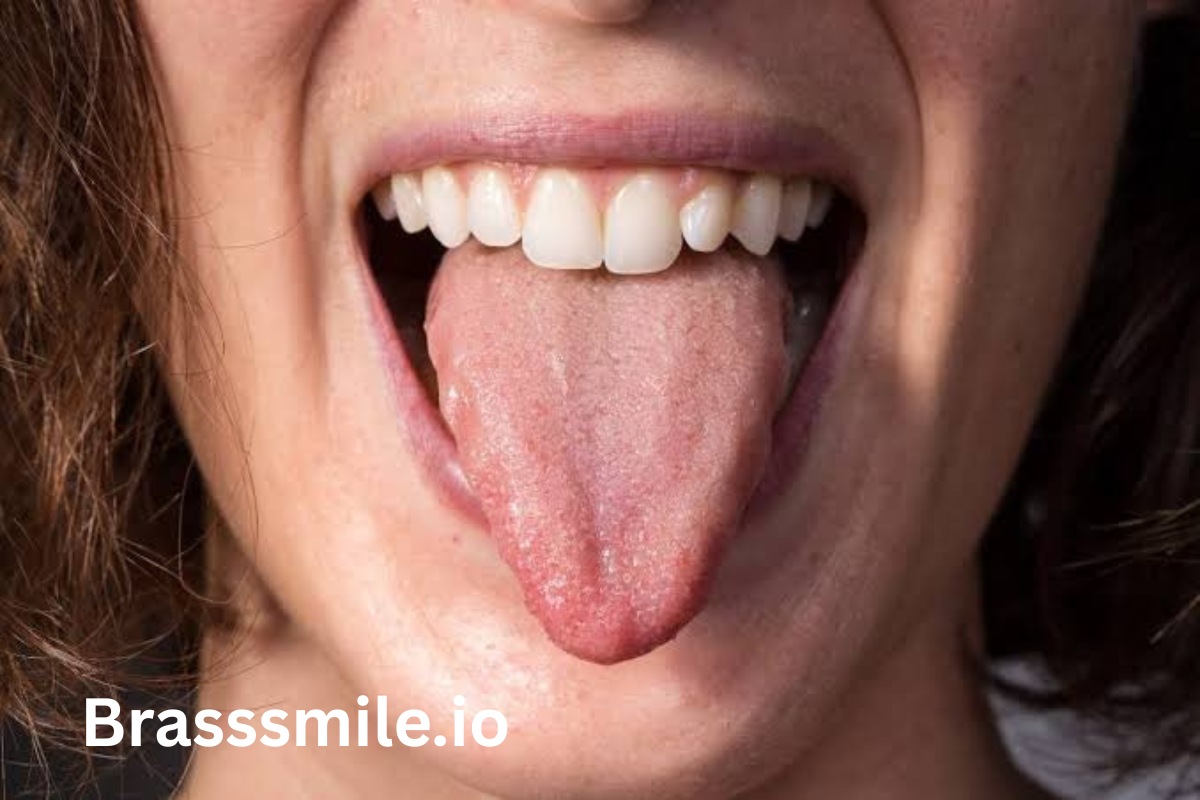
Let’s start with the basics. Lie bumps are small red, white, or yellowish bumps that appear on your tongue. They’re also known medically as transient lingual papillitis, which is a fancy way of saying “temporary inflammation of the tongue’s tiny bumps”.
The name “lie bumps” comes from an old superstition that these bumps appeared when someone told a lie. The idea was that your tongue would literally punish you for being dishonest. It’s a fun story, but obviously not true. The real cause has nothing to do with your honesty and everything to do with your tongue’s anatomy.
Your tongue is covered in hundreds of tiny bumps called papillae. These little structures help you taste food, sense temperature, and even speak. When something irritates one of these papillae, it can become inflamed and swollen, creating what we call a lie bump.
The Different Types of Lie Bumps
Not all lie bumps are created equal. There are actually several different types, each with its own set of characteristics:
Classic (Localized) Lingual Papillitis
This is the most common type. It usually appears as one or a few painful red or white bumps, typically on the tip or sides of your tongue. These bumps are usually gone within one to five days. About half of all people will experience this form at some point in their lives.
Eruptive Lingual Papillitis
This type primarily affects children and tends to run in families. It causes multiple painful bumps and often comes with additional symptoms like fever and swollen lymph nodes. Unlike the classic form, eruptive lingual papillitis is contagious.
U-Shaped Lingual Papillitis
This type causes your tongue to swell and develop scattered red or pink spots. Interestingly, this form has been linked to COVID-19 infections.
Papulokeratotic Variant
This type presents as multiple painless, whitish bumps all over the tongue. Unlike the other types, this one doesn’t cause pain or discomfort, but it may be more persistent and recurrent.
What Causes Lie Bumps?
So why do these annoying bumps show up in the first place? The exact cause isn’t always clear, but researchers have identified several common triggers.
Common Triggers
Physical Trauma
Sometimes the simplest explanation is the right one. Biting your tongue, burning it on hot food or drinks, or scraping it against sharp edges of food can all irritate your papillae and cause them to swell.
Food and Drink
What you eat and drink plays a big role. Spicy foods, acidic foods like citrus fruits and tomatoes, sugary treats, and very hot beverages can all trigger lie bumps. I’ve personally noticed that whenever I indulge in too many sour candies, my tongue lets me know about it the next day.
Stress
Stress can cause all sorts of physical reactions in your body, and lie bumps are no exception. When you’re stressed, your body releases inflammatory chemicals that can make your papillae more sensitive and prone to swelling.
Hormonal Changes
Hormonal fluctuations, particularly in women, have been linked to lie bumps. This is why some people notice these bumps appearing around their menstrual cycle.
Allergies
Food allergies or sensitivities can cause your papillae to become inflamed. Even if you’re not severely allergic to something, a mild sensitivity might be enough to trigger a lie bump.
Infections
Viral infections can sometimes cause lie bumps, particularly the eruptive form. This is why the condition sometimes spreads through families and why it’s more common in children who are around other kids.
Poor Oral Hygiene
Not taking care of your mouth can create an environment where irritation is more likely. Bacteria buildup can irritate your papillae and lead to inflammation.
Other Factors
Lack of sleep, poor nutrition, smoking, excessive alcohol consumption, and even friction from braces or dental appliances can all contribute to lie bumps.
What Do Lie Bumps Feel Like?
If you’ve never had a lie bump before, you might be wondering what all the fuss is about. Here’s what you can expect:
Pain and Discomfort
The most common symptom is pain. It’s usually a sharp, localized pain that gets worse when you eat, drink, or talk. Some people describe it as feeling like a pimple on their tongue.
Burning or Tingling Sensation
Many people experience a burning or tingling feeling around the bump. This can be especially noticeable when eating hot or spicy foods.
Sensitivity
Your tongue might become more sensitive to hot, cold, spicy, or acidic foods. Even something as simple as drinking orange juice can become a painful experience.
Altered Taste
Some people notice that their sense of taste is temporarily distorted near the bump. This usually goes away once the bump heals.
Dry Mouth
In some cases, lie bumps can cause a feeling of dryness in your mouth.
The good news is that these symptoms are usually mild to moderate and don’t last very long. Most lie bumps resolve within two to three days.
How to Get Rid of Lie Bumps Fast
Here’s the thing about lie bumps: in most cases, they go away on their own without any treatment. The condition is temporary and self-limiting, meaning it will resolve itself eventually. But if you’re in pain and want relief right now, there are several things you can try.
Home Remedies That Actually Work
Saltwater Rinse
This is the most commonly recommended home remedy, and for good reason. Mix half a teaspoon of salt in a glass of warm water and rinse your mouth with it a few times a day. The salt helps reduce inflammation and can soothe the pain. It’s simple, cheap, and effective.
Cold Drinks and Ice
Sipping on cold drinks or sucking on ice chips can help numb the area and reduce swelling. Just be careful not to burn your tongue with something too cold.
Avoid Irritants
This one might seem obvious, but it’s worth saying: stay away from foods and drinks that might make things worse. Avoid spicy foods, acidic foods, hot beverages, and anything crunchy that might irritate your tongue further.
Over-the-Counter Pain Relievers
If the pain is really bothering you, over-the-counter pain medications like ibuprofen or acetaminophen can help. Always follow the dosage instructions on the package.
Topical Anesthetics
Products containing benzocaine or lidocaine can be applied directly to the bump to numb the area. These are available at most drugstores without a prescription.
Good Oral Hygiene
Keep your mouth clean by brushing gently with a soft-bristled toothbrush. Be careful not to scrub the bump too hard, as this could make it worse.
Stay Hydrated
Drinking plenty of water helps maintain a healthy oral environment and may reduce discomfort.
What NOT to Do
Whatever you do, don’t try to pop or squeeze a lie bump. It might look like a pimple, but it’s not. Trying to pop it could lead to infection and make things much worse. Trust me on this one—I learned the hard way, and it wasn’t pretty.
When to See a Doctor
While most lie bumps are harmless and go away on their own, there are times when you should see a healthcare provider.
You should consider seeing a doctor or dentist if:
-
The bump doesn’t go away after a week
-
The pain is severe or getting worse
-
You have additional symptoms like fever or swollen lymph nodes
-
The bumps keep coming back frequently
-
You have multiple bumps that aren’t improving
-
You have difficulty eating or drinking because of the pain
-
You notice any unusual changes in your mouth
A healthcare provider can examine your tongue and confirm that what you have is indeed a lie bump and not something more serious. They might also recommend prescription treatments if over-the-counter options aren’t helping.
How to Prevent Lie Bumps
Wouldn’t it be great to never have to deal with lie bumps again? While there’s no guaranteed way to prevent them entirely, there are several things you can do to reduce your risk.
Maintain Good Oral Hygiene
This is the foundation of prevention. Brush your teeth at least twice a day, and don’t forget to brush your tongue. Floss daily and consider using an antimicrobial mouthwash. Regular dental checkups can also help catch any potential issues early.
Watch What You Eat
Pay attention to what foods seem to trigger lie bumps for you. For some people, it’s spicy food. For others, it’s acidic foods like tomatoes or citrus fruits. Once you identify your triggers, you can avoid them or at least limit your intake.
Manage Stress
Since stress is a known trigger, finding ways to manage your stress can help. This could mean exercise, meditation, yoga, or simply taking time for yourself each day. Even something as simple as taking a few deep breaths when you’re feeling overwhelmed can make a difference.
Eat a Balanced Diet
Good nutrition supports your overall health, including your oral health. Make sure you’re getting enough vitamins and minerals, particularly B vitamins and iron.
Get Enough Sleep
Lack of sleep can weaken your immune system and make you more susceptible to various health issues, including lie bumps. Aim for seven to nine hours of quality sleep each night.
Quit Smoking
Smoking is a known risk factor for lie bumps and many other oral health problems. If you smoke, quitting is one of the best things you can do for your overall health.
Be Careful with Your Tongue
Try to avoid biting your tongue, and be careful when eating hot or crunchy foods. If you wear braces or other dental appliances, make sure they’re not irritating your tongue.
Are Lie Bumps Contagious?
This is a common question, and the answer depends on the type of lie bump we’re talking about.
The classic form of lie bumps is not contagious. You can’t catch it from someone else, and you can’t pass it on to others. It’s simply a localized inflammation of your papillae.
However, the eruptive form of lingual papillitis is contagious. This type is thought to be caused by a virus and can spread from person to person. It’s most common in children, particularly those in daycare or school settings where viruses spread easily. If your child has eruptive lingual papillitis, they may also have a fever and swollen glands.
If you’re not sure which type you have, it’s best to err on the side of caution and avoid close contact with others until you know for sure.
Lie Bumps vs. Other Tongue Conditions
How do you know if what you have is really a lie bump and not something else? Here are some key differences:
Lie Bumps vs. Canker Sores
Canker sores are small, round ulcers that can appear anywhere inside your mouth, including your tongue. They usually have a white or yellow center with a red border. Canker sores are generally more painful than lie bumps and can take one to two weeks to heal. Unlike lie bumps, canker sores are open sores rather than raised bumps.
Lie Bumps vs. Cold Sores
Cold sores are caused by the herpes simplex virus and typically appear on the lips or around the mouth, not on the tongue. They start as blisters and then crust over. Cold sores are highly contagious, while most lie bumps are not.
Lie Bumps vs. Oral Thrush
Oral thrush is a fungal infection that causes white patches to develop inside the mouth, including on the tongue. These patches can be wiped away, revealing red tissue underneath. Thrush is more common in people with weakened immune systems and doesn’t usually cause the localized pain that lie bumps do.
Lie Bumps vs. Geographic Tongue
Geographic tongue causes smooth, red patches on the tongue that look like maps. It’s a harmless condition that doesn’t usually cause pain. Unlike lie bumps, geographic tongue affects larger areas of the tongue and the patches can change location over time.
If you’re ever unsure about what’s going on with your tongue, it’s always best to see a healthcare provider for a proper diagnosis.
Personal Tips for Dealing with Lie Bumps
I’ve dealt with lie bumps more times than I’d like to admit. Over the years, I’ve learned a few things that might help you:
Keep a food diary – This helped me figure out that spicy foods and citrus fruits were my main triggers. Now I know to be extra careful when I eat those things.
Act fast – As soon as I feel that familiar tingle that tells me a lie bump is coming, I start with the saltwater rinses. Catching it early seems to make it go away faster.
Be patient – I know it’s hard when something hurts, but trying to “fix” it too aggressively usually makes things worse. Sometimes the best thing you can do is just let your body heal itself.
Don’t panic – The first time I got a lie bump, I was convinced it was something terrible. Now I know it’s just a temporary annoyance that will pass.
Conclusion
Lie bumps might be annoying, but they’re almost never serious. These tiny, painful bumps are simply inflamed papillae on your tongue, and they usually clear up on their own within a few days. The old superstition that they appear when you lie is just a myth—the real causes are things like stress, spicy foods, hormonal changes, and physical irritation.
The good news is that there are plenty of things you can do to find relief. Simple home remedies like saltwater rinses, cold drinks, and avoiding irritants can make a big difference. And if the pain is really bothering you, over-the-counter pain relievers and topical anesthetics are available.
Prevention is also possible. Maintaining good oral hygiene, managing stress, eating a balanced diet, and identifying your personal triggers can all help reduce your risk of getting lie bumps in the future.
Of course, there are times when you should see a doctor. If your lie bumps don’t go away after a week, if the pain is severe, or if you have other symptoms like fever or swollen glands, it’s worth getting checked out.
Now I’d love to hear from you. Have you ever had a lie bump? What triggers them for you, and what do you do to find relief? Share your experiences in the comments below—your tips might just help someone else who’s dealing with these pesky little bumps right now.
Read this to: Rexulti Ruined My Life: The Truth About Devastating Side Effects
Frequently Asked Questions
1. What causes lie bumps on the tongue?
Lie bumps are caused by irritation or inflammation of the papillae on your tongue. Common triggers include spicy or acidic foods, stress, hormonal changes, physical trauma like biting your tongue, viral infections, and poor oral hygiene.
2. How long do lie bumps last?
Most lie bumps go away on their own within 2 to 3 days. Some cases may last up to a week, particularly the eruptive form.
3. Are lie bumps contagious?
The classic form of lie bumps is not contagious. However, the eruptive form, which is more common in children, can be contagious and may spread through families.
4. How do you get rid of lie bumps fast?
You can try rinsing your mouth with warm salt water, drinking cold fluids, avoiding spicy and acidic foods, and taking over-the-counter pain relievers. Topical anesthetics containing benzocaine or lidocaine can also provide temporary relief.
5. Can stress cause lie bumps?
Yes, stress is a known trigger for lie bumps. Stress can cause an inflammatory response in your body that makes your papillae more sensitive and prone to swelling.
6. Should I pop a lie bump?
No, you should never try to pop or squeeze a lie bump. It’s not a pimple, and attempting to pop it could lead to infection and make the condition worse.
7. Can children get lie bumps?
Yes, children can get lie bumps. In fact, the eruptive form of lingual papillitis primarily affects children, particularly those in daycare or school settings.
8. When should I see a doctor for lie bumps?
You should see a doctor if your lie bumps don’t go away after a week, if the pain is severe, if you have additional symptoms like fever or swollen lymph nodes, or if the bumps keep coming back frequently.
9. Are lie bumps related to COVID-19?
A specific type of lie bump called transient U-shaped lingual papillitis has been linked to COVID-19 infections. Studies have found that approximately 11.5% of COVID-19 patients experience this condition.
10. Can certain foods trigger lie bumps?
Yes, spicy foods, acidic foods like citrus fruits and tomatoes, sugary foods, and very hot beverages are common triggers for lie bumps. If you notice that certain foods consistently cause lie bumps for you, it’s best to limit or avoid them.