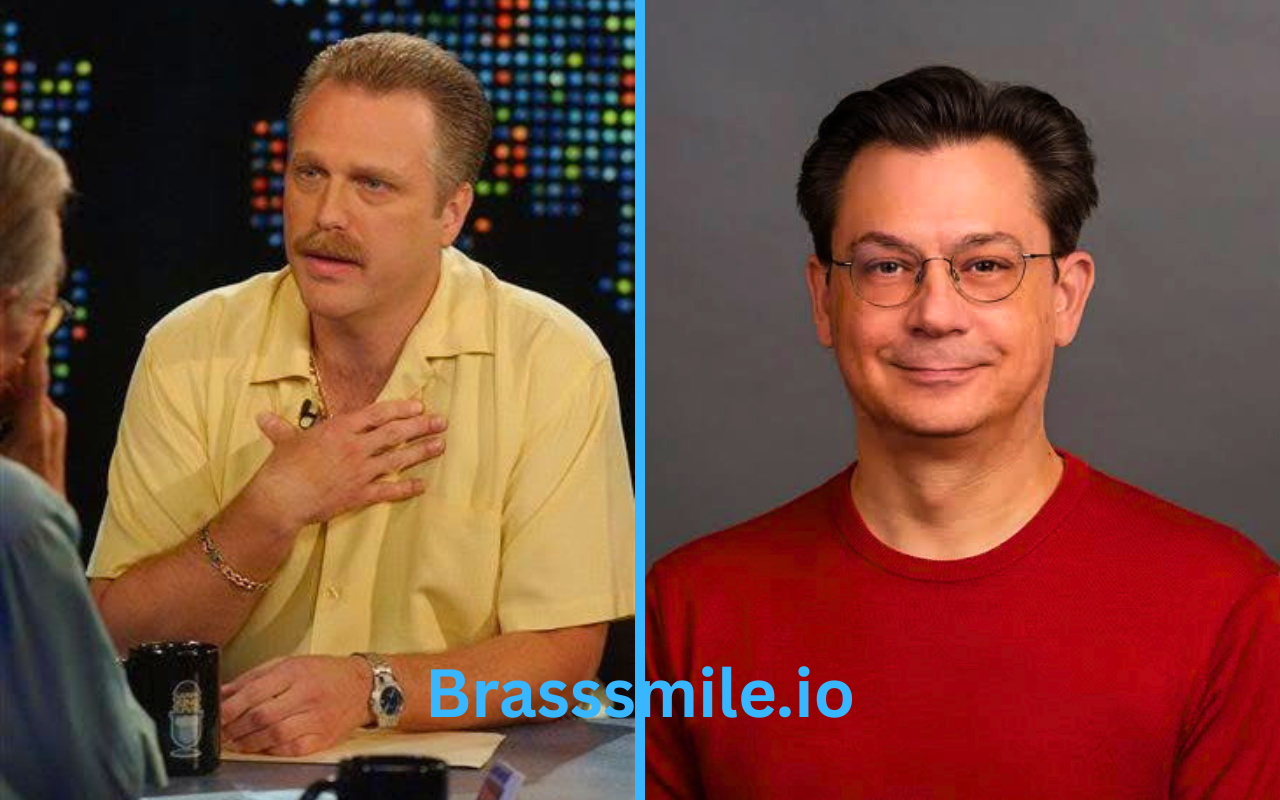
Michael Schiavo: A Story of Devotion, Defiance, and a Promise Kept
Few names in modern American history evoke as much visceral reaction as Michael Schiavo. He was the man at the epicenter of a perfect storm—a deeply personal, private tragedy that erupted into a national debate over life, death, and the limits of medical intervention. To some, he was a steadfast husband determined to honor his wife’s final wishes against impossible odds. To others, he was a figure of controversy, a man vilified by the media and targeted by activists who saw his case as a battleground for a larger cultural war . But before the cameras, the protests, and the political firestorms, Michael Schiavo was just a man from a working-class background who fell in love and found himself in an unimaginable situation . His story is not just about the legal battles that made headlines; it is a profoundly human tale of resilience, conviction, and the extraordinary lengths one person will go to keep a promise.
Table of Contents
ToggleQuick Facts about Michael Schiavo
| Attribute | Details |
|---|---|
| Full Name | Michael Richard Schiavo |
| Age | 63 (Born April 3, 1963) |
| Profession | Former Respiratory Therapist and Registered Nurse |
| Birthplace | Levittown, Pennsylvania, USA |
| Parents | Bill and Clara Schiavo |
| Siblings | Four older brothers: Scott, and others |
| Net Worth | Not publicly disclosed; derived from a career in healthcare and book royalties . Formerly involved in a medical malpractice settlement. |
| Social Media | Not publicly active; maintains a very private life. |
Early Life and the Foundation of Character
Michael Schiavo was born the youngest of five brothers in the classic American suburb of Levittown, Pennsylvania . Growing up in a close-knit Italian Lutheran family, Michael was surrounded by the strong personalities of his older siblings. It was here, in the crucible of a bustling household, that his character was forged. His father, William, was a man of immense personal strength, having overcome a childhood diagnosis of polio to sign a minor-league baseball contract . This story of perseverance became a bedrock of the family ethos.
“We were raised to never give up,” Michael’s brother Scott once recalled. “To stick to your guns, and if you believe in something, you just do it” . This familial mantra would later define Michael’s actions during the most challenging period of his life. While his brothers were known for their athleticism, Michael stood out for a different temperament. He was described as calm, thoughtful, and more interested in a discussion than a conflict—a “debater” who preferred to resolve issues through words . He attended Woodrow Wilson High School and wasn’t a football star, but rather a participant in the Italian Club . He later enrolled at Bucks County Community College, a decision that would alter the trajectory of his life. It was in a sociology class at this college that Michael met the quiet, animal-loving Theresa Marie Schindler .
The Beginning of a Life Together
Michael and Terri’s connection was instant and profound. Within just five months of meeting, they were engaged, and they married on November 10, 1984 . Their early years were marked by the optimism of a young couple building a future. After a year and a half, they decided to leave the cold Pennsylvania winters behind and move to St. Petersburg, Florida, where Terri had found a job with an insurance company, and Michael managed a restaurant . This move represented a new chapter, one filled with promise and the warmth of the Sunshine State. They built a life together, enjoying the coastal lifestyle, and were determined to start a family, even seeking medical help to conceive . Their life, like many others, was a simple tapestry of suburban life—work, dreams, and the everyday joys of a young marriage.
The Collapse and the Fight for Life
On February 25, 1990, everything changed. In the early morning hours, Michael woke to find Terri collapsed on the floor of their home . She had suffered a cardiac arrest, which doctors believed was triggered by a severe potassium imbalance, likely caused by a battle with an eating disorder . The resulting lack of oxygen to her brain caused catastrophic, irreversible damage. Terri was just 26 years old.
In the initial years following the collapse, Michael was unwavering in his dedication to her care. He was appointed her legal guardian on June 18, 1990, and became a fierce advocate . He organized fundraisers—even selling hot dogs on the beach—to afford experimental treatments, and he flew her to California, sleeping on a cot by her bedside . He was determined to bring her home and cared deeply about her welfare. This commitment was so profound that he enrolled in nursing school to learn how to better care for his wife . In a 1992 malpractice trial, which he won on behalf of both himself and Terri, his testimony was tearful and resolute.
When asked how he felt about being married to her in her condition, he said: “I feel wonderful. She’s my life, and I wouldn’t trade her for the world. I believe in the vows that I took with my wife, through sickness, in health, for richer or poorer” . Those words would later be used as ammunition against him, but at the time, they were the genuine expression of a husband in the throes of grief and hope.
The Legal Battles and a Promise Kept
As the years passed, and Terri’s condition was determined by doctors to be a persistent vegetative state with no hope of meaningful recovery, Michael’s stance shifted from seeking a cure to seeking a peaceful end . He testified that Terri had expressed to him, before her collapse, that she would never want to be kept alive artificially . This assertion became the bedrock of his legal strategy in May 1998 when he petitioned to have her feeding tube removed.
This decision ignited a firestorm. It pitted him against Terri’s parents, Bob and Mary Schindler, who believed their daughter could improve and that her life should be prolonged . A bitter, highly publicized guardianship battle ensued, involving the Governor of Florida, the United States Congress, and the President . Michael became the target of intense vitriol, death threats, and protests . One critic even reportedly offered him a $1 million bribe to cede guardianship . But Michael remained unmoved. Drawing on the deep-rooted lesson from his father—to never back down—he persisted through a labyrinth of legal challenges . The case went to the Florida Supreme Court and eventually the U.S. Supreme Court, with the feeding tube being removed and reinserted multiple times . Despite the immense political and public pressure, Michael held fast to his conviction that he was doing what Terri wanted. He was standing his ground, determined to honor what he felt was his duty to his wife.
Life After Terri and Lasting Impact
Terri Schiavo died on March 31, 2005, thirteen days after her feeding tube was removed for the final time . In the wake of the national drama, Michael Schiavo sought to live a life of quiet privacy. He married his long-term fiancée, Jodi Centonze, whom he had met in 1995 . They had already started a family before Terri’s death, with their first child born in 2002 and their second in 2004 . Michael also wrote a book, “Terri: The Truth,” which told his side of the story, and founded TerriPAC, a political action committee designed to protect individual end-of-life rights from government interference . He continues to work as a registered nurse, contributing to his community in a quiet, professional capacity . His financial life has remained private, with income derived from his career, book sales, and other ventures .
Conclusion
The journey of Michael Schiavo is a powerful narrative of resilience and the complexities of the human spirit. Though he found love again and built a new family, his battle to defend his wife’s dignity was a defining act of devotion that placed him at the heart of a national storm. His story reminds us that standing by one’s convictions, even in the face of overwhelming opposition, is a testament to personal integrity. As Michael Schiavo continues to pave the way for future generations, his story stands as a reminder of how resilience and purpose can shape a meaningful legacy.
Read this to: Elsa Peretti: The Rebel Who Revolutionized Jewelry Design
Frequently Asked Questions (FAQs)
1. Who is Michael Schiavo?
Michael Schiavo is the former husband of Terri Schiavo, the Florida woman at the center of a landmark right-to-die case. He became a public figure after a years-long legal battle with his in-laws over whether to remove his wife’s feeding tube .
2. What happened to Terri Schiavo?
Terri Schiavo suffered cardiac arrest in 1990, which caused severe brain damage. She was left in a persistent vegetative state and relied on a feeding tube for nutrition and hydration until her death in 2005 .
3. Why is Michael Schiavo controversial?
His decision to petition for the removal of his wife’s feeding tube, which he claimed was her wish, was opposed by her parents and many religious and political groups. This made him a polarizing figure in a massive public and political debate .
4. Did Michael Schiavo have children with his new partner?
Yes, Michael Schiavo and his long-time partner, Jodi Centonze, had two children before Terri Schiavo’s death. They were born in 2002 and 2004 . He married Centonze in January 2006 .
5. What is Michael Schiavo’s educational background?
Michael Schiavo attended Bucks County Community College and later earned a nursing degree, becoming a registered nurse and respiratory therapist .
6. How did the case change the conversation about end-of-life care?
The case sparked a nationwide conversation about end-of-life rights, living wills, and patient autonomy. It also led many Americans to create living wills to ensure their wishes were documented .
7. Is Michael Schiavo active on social media?
No, Michael Schiavo has generally maintained a private life since the intense media coverage of his wife’s case and is not known to be active on public social media platforms.